Our Heritage
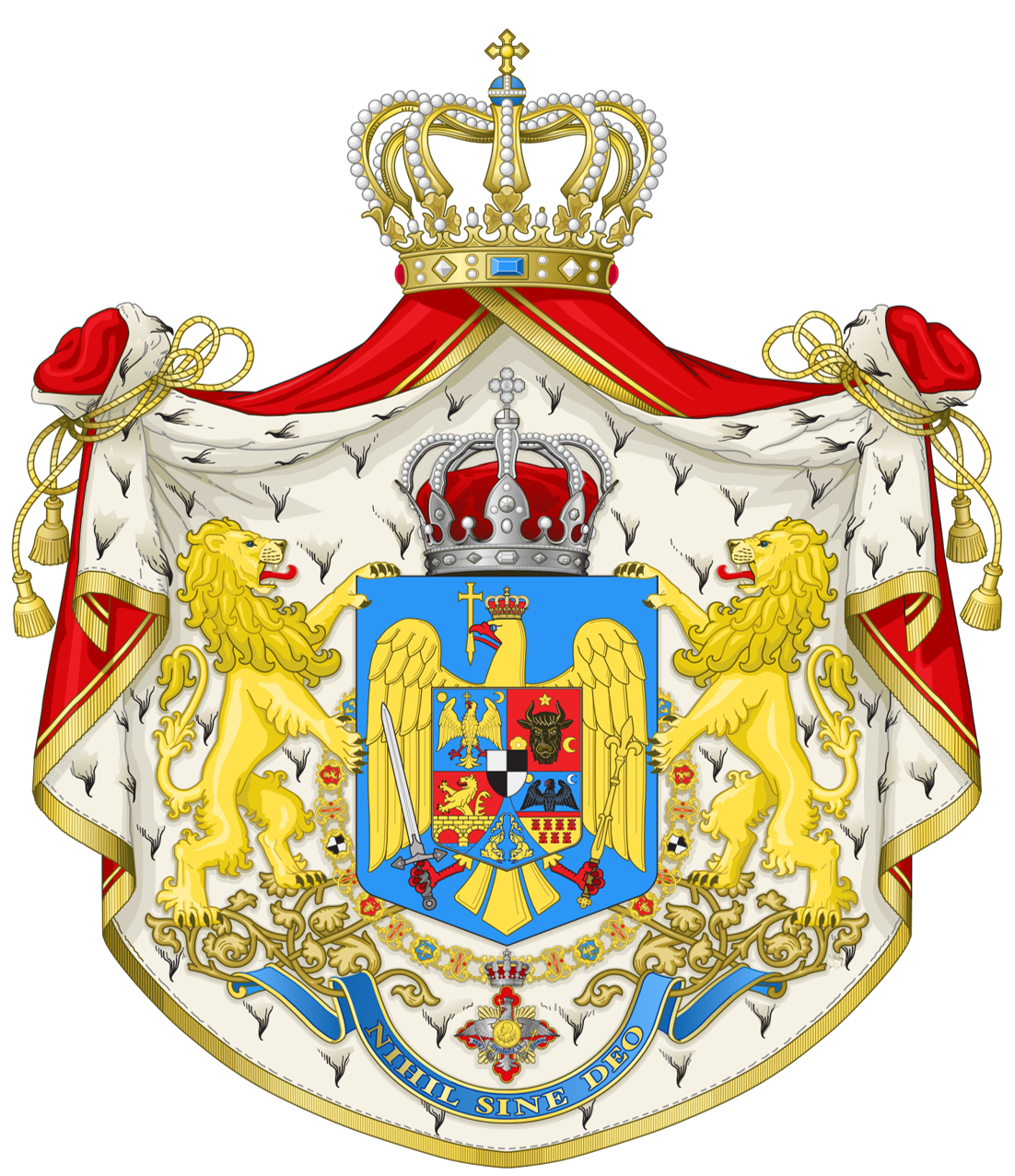
The Ungureanu Name & Crest
Meaning & Origin
Ungureanu is a Romanian surname derived from the word "ungur," meaning Hungarian. It often refers to individuals of Hungarian descent or heritage in Romania. The name reflects historical interactions between Romanian and Hungarian cultures, highlighting the ethnic diversity of the region.
History of Family Crests
Family crests and coats of arms emerged during the Middle Ages, mostly in wider Europe. They were used as a way to identify knights and nobles on the battlefield and in tournaments. The designs were unique to each family and were passed down from generation to generation.
The earliest crests were simple designs, such as a single animal or symbol, but they became more elaborate over time. Coats of arms were also developed, which included a shield with the family crest, as well as other symbols and colors that represented the family's history and achievements.
The use of family crests and coats of arms spread throughout Europe and became a symbol of social status and identity. They were often displayed on clothing, armor, and flags, and were used to mark the family's property and possessions.
Today, family crests and coats of arms are still used to honor and celebrate family heritage.
Across Cultures
Name Variations
Ungurian
18th centuryItaly
The consonant modification reflects regional phonetic adaptations.
Unguryan
19th centuryEastern Europe
Influenced by Slavic linguistic patterns that softened the sounds to better fit local pronunciations.
Unguren
20th centuryBalkan countries
Shaped by the blending of Romanian and Bulgarian linguistic elements, emphasizing the vowel endings prevalent in Slavic languages.
Ongur
DialectalMoldova
Reveals how dialectal differences have led to diverse interpretations of the name, showcasing the richness of cultural interchange and linguistic evolution over the centuries.